

This results in whipsaws, fake breakouts, and premature entries that hurt your win rate. Candlestick patterns are powerful, but they can also be misleading — especially when taken at face value without proper context. Many traders fall into the trap of acting too quickly on a pattern, only to face losses when the signal turns out to be false. The difference is how quickly they recognize and adapt to the situation. This exercise trains your eye to spot false breakout patterns and recognize the opportunities they create.

Signals are most effective when used alongside the market trend. Combine them with factors like volume and trend analysis for a well-rounded approach. Avoid these pitfalls by combining the Stochastic Oscillator with other technical methods, fine-tuning its settings, and understanding market context. The index results above are shown for informational purposes only and are not reflective of any investment.
How to Avoid False Signals in Candlestick Patterns
With this approach, your candlestick trading will become more accurate and consistent. Candlestick patterns are most reliable when they align with the prevailing trend. Read below to learn how to identify and outsmart them, so you won’t miss out on opportunities or make wrong decisions. Access the best indicators, backtesting software, and 150k+ community. Copyright © 2026 FactSet Research Systems Inc.Copyright © 2026, American Bankers Association.
The Protection Strategies
- Many traders fall into the trap of acting too quickly on a pattern, only to face losses when the signal turns out to be false.
- RSI, MACD, or moving averages can confirm momentum or divergence.
- The best way to get better at spotting false signals is by practicing historical data using the backtesting tools provided by sites such as tradingview.com.
- Avoid using reversal patterns against strong trends unless there is clear support/resistance or divergence.
- Genuine breakouts typically maintain direction for several hours minimum.
- The key is to align your settings with your trading goals and the current market environment.
When an asset’s returns give risk-on and risk-off signals in quick succession, a trend follower risks underperforming a buy-and-hold strategy. In choppy, sideways markets, trend followers often underperform other strategies. When you see multiple false breakouts, it usually signals extreme indecision and often precedes explosive moves once direction finally clarifies. The multiple failures build pressure that eventually releases powerfully.
Most Common Mistakes in Trading and How to Avoid Them
Don’t just read the charts, trade them with smart money strategies, AI analysis, and real-time alerts. For example, a technical indicator might signal an ‘overbought’ condition in a persistently rising market, accidentally baiting you into selling. Still, the market continues to climb, resulting in a missed opportunity or a loss if you assume a short position. False signals typically occur due to market volatility, anomalies, or the inherent limitations of the indicators used.
False signals in crypto trading are misleading indicators that suggest a certain trade should be made, but in reality, the opposite happens. These signals can occur for various reasons, like misinterpretation of data, faulty indicators, or market manipulation. They can also happen in any market condition, whether bullish or bearish, and across different time frames and asset classes. News is, perhaps, the most frequent reason for false signals.
Patience: How Higher Time Frames Can Save You from False Signals
At this moment, Stop Losses trigger at the positions opened beforehand, and impatient market participants worsen the situation, craving for a swift and large profit. Several minutes after the publication of the news, the market calms down, and the price starts going in the correct direction. Wait for the inside bar range to be clearly violated in the opposite direction before assuming the false breakout is over. Institutions love to “hunt stops” – deliberately triggering breakouts to grab retail traders’ stops before pushing the price the other way. They know where the obvious stops are clustered and use this knowledge profitably. When an inside bar breaks upward but quickly fails back inside the range, it often signals strong selling pressure waiting above.
Oracle Stock Down 60% From Its Peak. Can the Bloom Energy Deal Trigger a Reversal in ORCL?
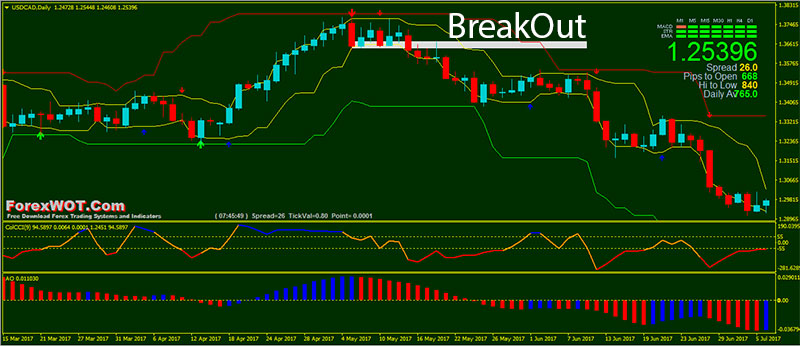
A false breakout occurs when the price breaks beyond the inside bar range but quickly reverses back inside. It’s like the market faking a punch in one direction before swinging hard the other way. Many traders miss out on potential opportunities by not fully understanding or using divergences and crossovers in the Stochastic Oscillator. When applied correctly, these signals can act as early indicators of possible trend reversals.
Fake Reversals
Avoid using reversal patterns against strong trends unless there is clear support/resistance or divergence. False signals in crypto trading are an ever-present challenge, but with the right knowledge and strategies, you can steer clear of their disturbing nature and minimize their impact. Any information contained in this site’s articles is based on the authors’ personal opinion. These articles shall not be treated as a trading advice or call to action. The authors of the articles or RoboForex company shall not be held liable for the results of the trades arising from relying upon trading recommendations and reviews contained herein.
Further reading
A third way to reduce false signals and whipsaws is to use price action as a confirmation or a filter for your indicators. Price action refers to the patterns and formations that the price creates on the chart, such as support and resistance levels, trendlines, channels, breakouts, and reversals. By using price action, you can validate or invalidate your indicator signals and avoid being trapped by false breakouts or reversals.
The news
Many traders tend to forget that after abrupt market movements the data they receive is heavily distorted, and their indicators make mistakes. Impatient traders decide that this is an entry signal and get a losing position. The most common false signals you can encounter in crypto trading are fake breakouts, fake reversals, or deceptive patterns. Even the most experienced crypto traders can sometimes fall victim to false signals. Apart from manifesting in various forms, false signals in crypto trading can significantly misguide you and lead to costly losses.
If your first position closed by the SL, do not rush at opening an opposite one. In most cases, the market will carry on in the direction of your initial position. Note that you usually open an opposite order not by the strategy but emotionally.
Tactical Income Fund
For example, if Ethereum’s price breaks below a support level, you may believe that it’ll continue everestex trading platform to fall and decide to sell your Ethereum. However, if the breakdown is fake, the price may soon rise back above the support level and cause losses for having sold at the lower price. The false breakout shakes out weak hands and creates better entry prices for institutional money that wants to push the price in the opposite direction. Market volatility plays a big role in choosing the right settings.